
Digital marketing is one of the most effective ways businesses connect with customers and grow their presence online. Today, people spend a large part of their time on the internet, which makes online platforms the best place to promote products and services.
According to Statista, global digital advertising spending has crossed $600 billion and continues to increase every year. DataReportal reports that more than 5 billion people use the internet worldwide. This clearly shows how important digital marketing has become for businesses of all sizes.
Digital marketing means promoting products or services using online channels such as search engines, social media, websites, and email. It helps businesses reach the right audience, track performance, and improve results over time.
Quick Answer:
Digital marketing is the use of online platforms like search engines, social media, and websites to promote products or services. It helps businesses grow by increasing visibility, attracting targeted users, and generating leads or sales.
What Is Digital Marketing?
Digital marketing refers to all marketing activities that take place through digital platforms or electronic devices. It allows businesses to communicate directly with their audience in a more effective and measurable way.
Unlike traditional marketing methods like newspapers or TV ads, digital marketing provides real-time insights. Businesses can track how many people visit their website, click on ads, or make a purchase.
This level of data helps companies understand customer behavior and improve their marketing strategies. It also allows businesses to focus on the right audience instead of using broad marketing methods.
Digital marketing is flexible and scalable. Whether you run a small business or a large company, you can adjust your marketing efforts based on your budget and goals.
Digital Marketing vs Traditional Marketing
Here is a quick comparison to help you understand the key differences between digital marketing and traditional marketing methods:
| Factor | Digital Marketing | Traditional Marketing |
| Definition | Promotes products using online platforms and digital channels | Promotes products using offline methods like print, TV, and radio |
| Cost | Cost-effective and flexible budgets | Expensive and fixed costs |
| Targeting | Highly targeted (age, location, interests, behavior) | Broad targeting with limited control |
| Reach | Global audience reach | Mostly local or regional reach |
| Speed | Instant campaign launch and quick results | Takes time to plan and execute |
| Tracking & Analytics | Real-time tracking using tools like Google Analytics | Limited or no real-time tracking |
| User Engagement | Two-way communication (comments, messages, feedback) | One-way communication |
| Flexibility | Easy to edit, pause, or optimize campaigns anytime | Difficult to modify once published |
| Conversion Tracking | Accurate tracking of leads and sales | Hard to measure exact conversions |
| ROI Measurement | Clear and measurable return on investment | Difficult to calculate ROI accurately |
| Personalization | Highly personalized content and ads | Limited personalization options |
| Examples | SEO, PPC, social media, email marketing | Newspapers, TV ads, billboards, flyers |
Types Of Digital Marketing
Digital marketing includes different methods that help businesses promote their products and services online. Each type focuses on a specific channel but works together to improve visibility, traffic, and conversions.
Using the right combination of these methods helps businesses reach the right audience and achieve better results over time.
1. Search Engine Optimization (SEO)
Search Engine Optimization helps websites rank higher on search engines like Google Search. It improves visibility and brings organic traffic by matching content with user queries.
Modern SEO is no longer limited to keywords and backlinks. It now includes smarter approaches, such as using an AI backlink exchange platform for link acquisition, along with Answer Engine Optimization, Generative Engine Optimization, and optimization for AI systems. AEO focuses on providing direct answers so content appears in featured snippets and voice search results. GEO ensures content is structured in a way that AI tools can easily understand and use.
LLM optimization is becoming important as AI platforms generate answers using structured content. This means using clear headings, simple explanations, and well-organized sections. Content should directly answer user intent instead of just targeting keywords.
Technical SEO also plays a major role. Website speed, mobile usability, and proper indexing affect rankings. Internal linking helps build topical authority and improves crawling.
Another important shift is towards topic-based SEO. Instead of focusing on single keywords, businesses should cover complete topics in depth. This improves authority and trust.
To succeed today, businesses must create content that is useful, structured, and easy to understand for both users and AI systems.
2. Pay-Per-Click Advertising (PPC)
Pay-Per-Click advertising is a fast way to generate traffic and leads. Platforms like Google Ads allow businesses to display ads based on user searches and behavior.
Modern PPC relies heavily on AI and automation. Tools now analyze user data to adjust bids, optimize targeting, and improve performance automatically. This reduces manual effort and increases efficiency.
Instead of focusing only on keywords, PPC now emphasizes user intent. Ads are shown to users who are more likely to convert based on their behavior and interests. This improves conversion rates and reduces wasted spending.
Smart bidding strategies use machine learning to optimize campaigns in real time. Businesses can also use audience segmentation to target specific groups more effectively.
Landing page optimization is equally important. A well-designed landing page improves user experience and increases conversions. Fast loading speed, clear messaging, and strong call-to-action are essential.
Regular testing is a key part of modern PPC. Businesses should test different ad copies, headlines, and visuals to find what works best.
When combined with data analysis and AI tools, PPC becomes a powerful strategy for achieving quick and measurable results.
3. Social Media Marketing
Social media marketing focuses on building brand presence and engaging with users through platforms like Instagram, Facebook, and LinkedIn.
Modern social media success depends on understanding platform algorithms. These algorithms prioritize content that receives engagement such as likes, shares, and comments. This means businesses must create content that encourages interaction.
Short-form videos, reels, and interactive posts are currently performing well. These formats capture attention quickly and increase reach. Consistency is important, but quality matters more than quantity.
Social media is also becoming a search platform. Users search for products, services, and information directly within these apps. Using keywords in captions, hashtags, and profiles improves discoverability.
Authenticity plays a major role. Users prefer real and relatable content over overly promotional posts. Storytelling helps build emotional connection and trust.
Analytics tools provide insights into audience behavior. Businesses can use this data to refine their content strategy and improve performance.
A strong social media strategy focuses on engagement, value, and consistency rather than just promotion.
4. Content Marketing
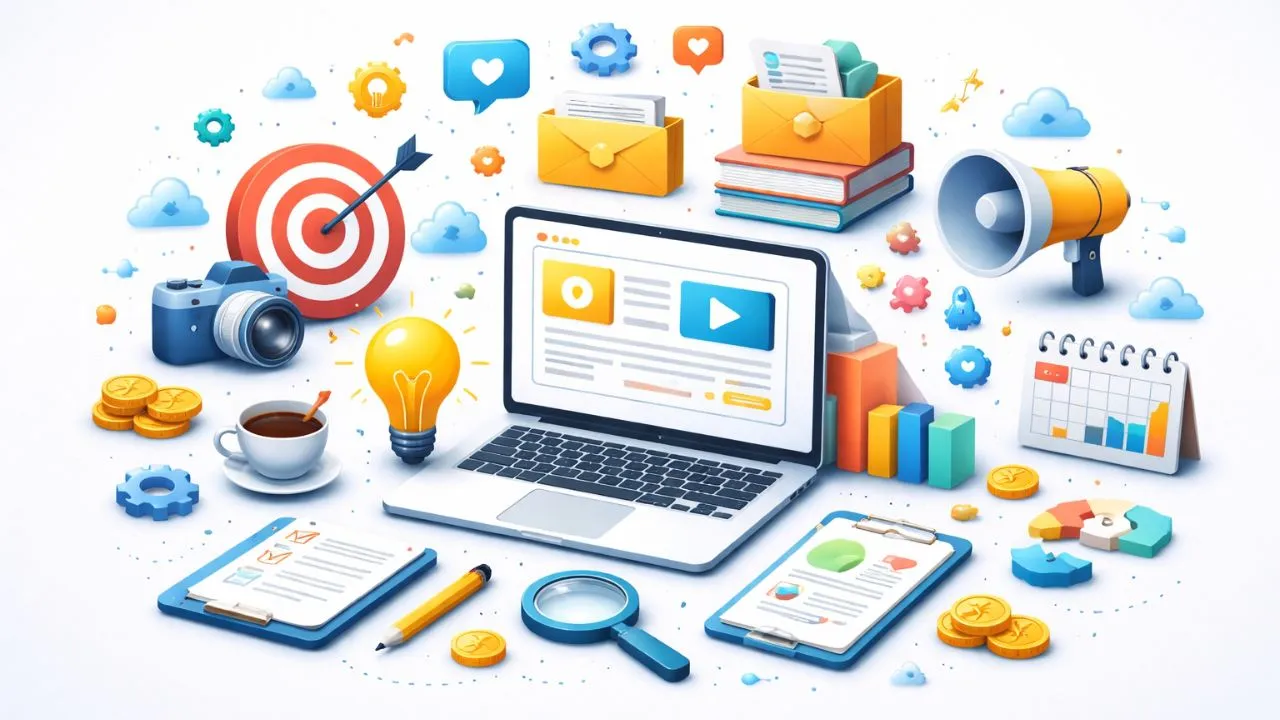
Content marketing is one of the most important parts of digital marketing. It focuses on creating valuable content that attracts and engages users.
Modern content marketing is based on building topical authority. Instead of writing random articles, businesses should create content clusters around specific topics. This helps search engines understand expertise and improves ranking.
For LLM optimization, content must be structured clearly. Use simple language, short paragraphs, and direct answers. AI systems prefer content that is easy to understand and well-organized.
User intent is a key factor. Content should answer real questions and solve problems. This improves engagement and increases the chances of ranking.
Updating existing content is also important. Fresh content performs better and keeps information relevant.
Content should also be multi-format. Combining blogs, videos, and visuals improves reach and engagement.
A strong content strategy focuses on quality, relevance, and consistency to build trust and authority over time.
5. Email Marketing
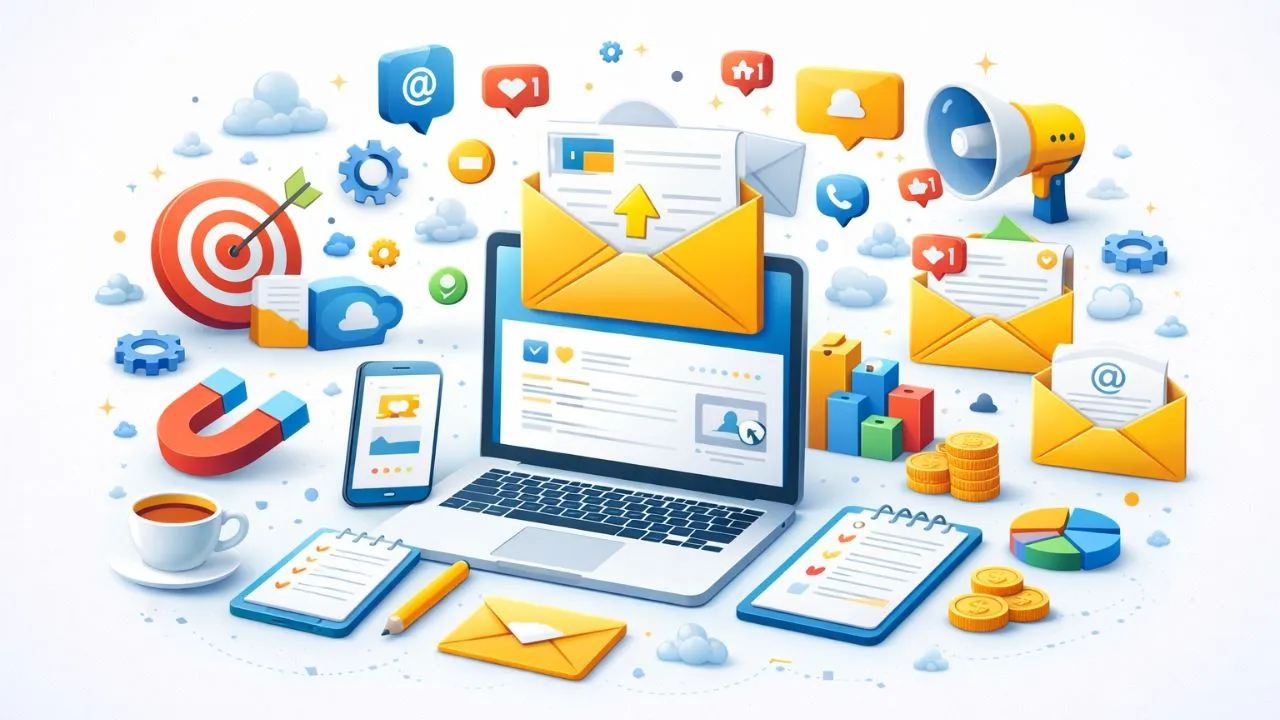
Email marketing remains one of the most effective ways to communicate directly with customers. It allows businesses to share updates, offers, and useful content.
Modern email marketing focuses on personalization. Businesses use data to send emails based on user behavior, preferences, and interests. Personalized emails have higher open and conversion rates.
Automation is another key element. Businesses can set up automated email sequences for different actions such as sign-ups, purchases, or abandoned carts. This improves efficiency and ensures timely communication.
Segmentation helps target specific groups within an audience. This makes messages more relevant and effective.
Content is important in email marketing. Emails should provide value instead of just promoting products. Useful and engaging content builds trust.
Performance tracking helps improve results. Metrics like open rates, click rates, and conversions provide insights into campaign performance.
When done correctly, email marketing builds strong relationships and increases customer retention.
6. Affiliate Marketing
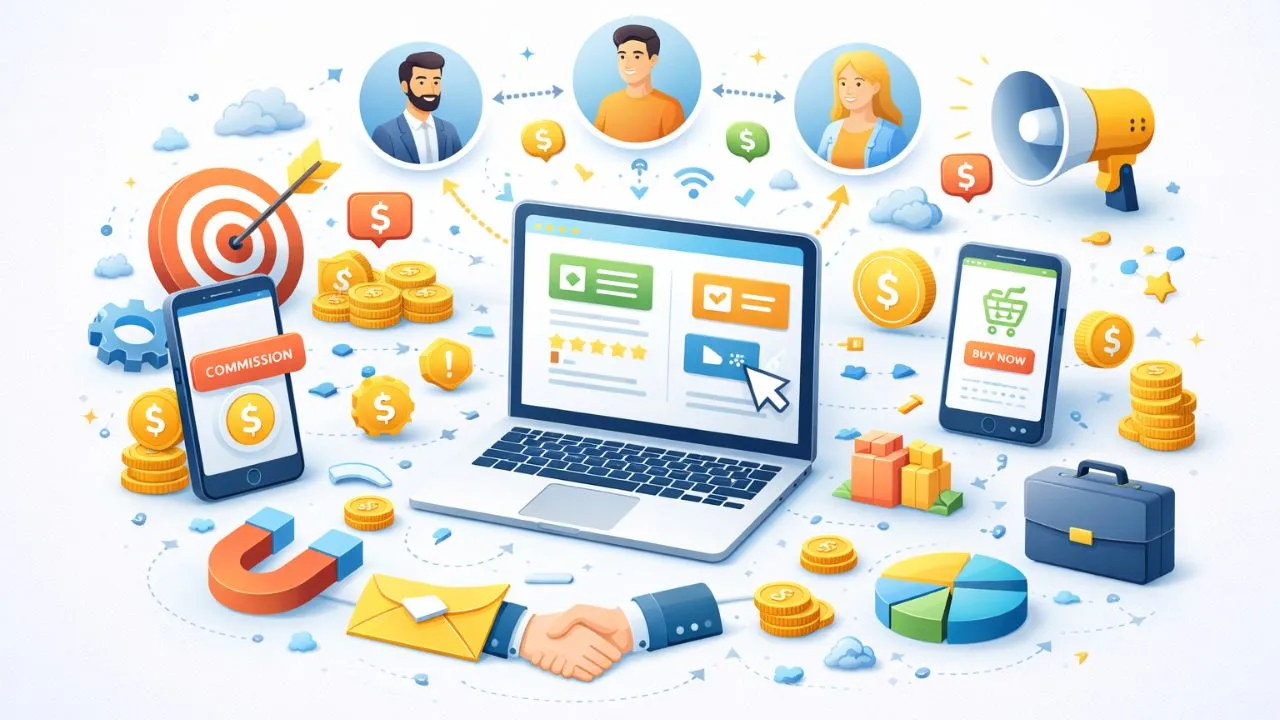
Affiliate marketing is a performance-based strategy where businesses partner with others to promote their products.
Modern affiliate marketing uses advanced tracking tools to monitor performance. Businesses can track clicks, conversions, and revenue generated by each partner.
The focus is now on quality over quantity. Instead of working with many affiliates, businesses prefer trusted partners with relevant audiences.
Content-driven promotion works best. Reviews, comparisons, and tutorials build trust and increase conversions.
Affiliate marketing is cost-effective because businesses pay only for results. This reduces risk and improves return on investment.
Transparency and clear communication are important for successful partnerships.
When managed properly, affiliate marketing can generate consistent traffic and sales.
7. Influencer Marketing
Influencer marketing involves collaborating with individuals who have a strong online presence. These influencers promote products to their audience.
Modern strategies focus on micro-influencers. These influencers have smaller but highly engaged audiences. Their recommendations are often more trusted.
Authenticity is important. Users prefer honest opinions over promotional content. Influencers who genuinely use the product deliver better results.
Businesses should choose influencers based on relevance, not just follower count. Audience match is key for success.
Long-term collaborations are more effective than one-time promotions. They build stronger brand association.
Influencer marketing helps increase visibility, trust, and engagement when done correctly.
8. Mobile Marketing
Mobile marketing focuses on reaching users through smartphones and tablets. It includes mobile-friendly websites, apps, and messaging.
Most users access the internet through mobile devices, so optimizing for mobile is essential.
Google uses mobile-first indexing, which means mobile performance affects rankings.
Websites should load quickly and be easy to navigate. Poor mobile experience can lead to high bounce rates.
Mobile marketing also includes push notifications and SMS campaigns. These provide direct communication with users.
Location-based targeting allows businesses to send relevant offers based on user location.
A strong mobile strategy improves engagement and user experience.
9. Video Marketing
Video marketing is growing rapidly, especially short-form content. Platforms like YouTube and social media apps promote video content heavily.
Short videos capture attention quickly and increase engagement. They are easy to consume and share.
Businesses use videos for tutorials, product demos, and storytelling. Educational and problem-solving videos perform best.
Video content also improves SEO. It increases time spent on the website and reduces bounce rate.
Consistency is important. Regular posting helps build audience and improve reach.
A good video strategy focuses on value, clarity, and engagement.
10. Conversion Rate Optimization (CRO)
Conversion Rate Optimization focuses on improving website performance to increase conversions.
Modern CRO uses data analysis tools like heatmaps and user tracking. These tools help understand how users interact with a website.
Businesses test different versions of pages to find what works best. This process is called A/B testing.
Improving design, layout, and content can significantly increase conversions.
CRO helps businesses get better results from existing traffic instead of just increasing visitors.
It also improves user experience, which leads to higher satisfaction and engagement.
Why Digital Marketing Is Important for Business Growth
Digital marketing has become essential for businesses that want to grow and stay competitive. It offers several advantages that traditional marketing cannot match.
Wider Reach
Digital marketing allows businesses to reach customers across the world. Unlike physical stores, there are no location limits.
A business in one city can easily connect with customers in different countries.
Cost-Effective Strategy
Compared to traditional marketing methods, digital marketing is more affordable. Businesses can start with a small budget and scale as they grow.
This makes it suitable for startups and small businesses as well.
Targeted Audience
Digital marketing allows precise targeting based on age, location, interests, and behavior.
This ensures that marketing efforts reach people who are more likely to be interested in the product or service.
Measurable Results
Tools like Google Analytics help track performance in real time.
Businesses can see how campaigns are performing and make changes to improve results.
Better Customer Engagement
Digital platforms allow direct interaction with customers through comments, messages, and emails.
This helps build trust and improve relationships over time.
Higher Conversion Rates
When businesses target the right audience with the right message, conversion rates improve.
This leads to more sales and better return on investment.
How Digital Marketing Helps Businesses Grow Faster
Digital marketing supports business growth by creating more opportunities to attract and convert customers.
Improves Brand Visibility
A strong online presence helps businesses appear in front of potential customers.
The more visible your brand is, the more chances you have to attract customers.
Generates Quality Leads
Digital marketing focuses on attracting users who are interested in your product or service.
This increases the chances of converting visitors into customers.
Enhances Customer Retention
Regular communication through email and social media keeps customers engaged.
Satisfied customers are more likely to return and recommend your business.
Supports Data-Driven Decisions
Digital marketing provides valuable data about user behavior and campaign performance.
Businesses can use this data to improve strategies and make better decisions.
Key Components of a Successful Digital Marketing Strategy
To get the best results, businesses need a clear and well-planned digital marketing strategy.
Clear Objectives
Setting clear goals is the first step. Businesses should decide whether they want to increase traffic, generate leads, or boost sales.
Audience Research
Understanding the target audience is important for creating effective campaigns.
This includes knowing their needs, preferences, and online behavior.
Keyword Strategy
Using the right keywords helps improve search engine ranking.
Tools like Google Keyword Planner can help find relevant keywords.
Content Development
Creating useful and engaging content helps attract and retain users.
Content should focus on solving problems and providing value.
Performance Monitoring
Regular tracking helps identify what is working and what needs improvement.
Businesses should continuously optimize their campaigns for better results.
Common Challenges in Digital Marketing
While digital marketing offers many benefits, it also comes with challenges.
Businesses face high competition, especially in search engine rankings.
Search engine algorithms change frequently, which can affect website visibility.
Consistent content creation requires time and effort.
Managing multiple platforms can also be difficult without proper planning.
Future of Digital Marketing
Digital marketing is constantly evolving with new technologies and trends.
According to Gartner, businesses are increasing their investment in AI-based marketing to improve customer experience.
Automation tools are helping businesses save time and improve efficiency.
Voice search is becoming more popular, which requires new SEO strategies.
Video content is also growing rapidly and attracting more users.
Personalized marketing is another important trend, as customers prefer content that matches their interests.
FAQs on Digital Marketing
Digital marketing uses online channels like search engines, social media, and websites to promote products or services. It works by targeting the right audience, driving traffic, and converting users into customers through data-driven strategies.
Digital marketing helps businesses increase visibility, reach targeted customers, and generate leads or sales. It also provides measurable results, which helps improve performance and return on investment.
The most effective strategies include SEO, PPC advertising, content marketing, social media marketing, and email marketing. Combining multiple strategies delivers better and long-term results.
Digital marketing allows precise targeting, real-time tracking, and performance optimization. This reduces wasted spending and improves return on investment compared to traditional marketing methods.
Businesses can measure success using tools like Google Analytics, which track traffic, conversions, user behavior, and engagement. These insights help improve campaign performance.
SEO helps improve website visibility on search engines, bringing organic traffic. It builds long-term credibility and reduces dependency on paid advertising.
Content marketing builds trust by providing valuable information to users. It improves engagement, supports SEO, and helps convert visitors into customers.
SEO focuses on organic traffic and long-term growth, while PPC generates immediate traffic through paid ads. Both strategies are important and work best when combined.
AI helps automate campaigns, improve targeting, and analyze user behavior. It enables better personalization and improves overall marketing efficiency.
AEO focuses on optimizing content to answer user queries directly for featured snippets and voice search. GEO ensures content is structured for AI-generated results, improving visibility in modern search experiences.
Conclusion
Digital marketing has become an essential part of business growth. It allows businesses to reach the right audience, improve visibility, and generate more leads and sales.
From SEO and social media to content and email marketing, each method plays an important role in building a strong online presence. Businesses can track performance, understand customer behavior, and improve strategies using real data.
As more people continue to use the internet, digital marketing will remain one of the most effective ways to grow a business. Companies that invest in the right strategies will be able to stay competitive and achieve long-term success.