
Yes, SEO can absolutely help home service businesses generate more qualified leads, but only when the website is built around how homeowners actually search.
Most people do not begin with a broad search. They search when a real problem appears, and they need a solution fast.
A leaking pipe, no hot water, a broken AC unit, termite damage, or roof issues after a storm all trigger immediate searches with strong hiring intent.
Typical searches often look like:
- emergency plumber in Phoenix
- AC repair in Dallas
- termite treatment in Houston
- roof leak repair near me
- electrician for panel issue
These are not casual searches.
These are moments when someone is ready to call, request a quote, or book a visit.
That is where SEO becomes valuable.
A well-structured website helps your business appear at the exact point when the homeowner is ready to take action.
How Homeowners Search Before Hiring
To understand why SEO brings better leads, it helps to understand the way homeowners move through search.
Problem-first searches
The first search is usually based on the issue itself.
Examples include:
- leaking roof
- clogged drain
- AC not cooling
- flickering lights
- no hot water
- garage door not opening
Searches like clogged drains, pipe leaks, or no hot water often lead homeowners to call quickly, which is why plumbing businesses often rely on strong local search visibility.
Useful topics include:
- Why is my AC leaking water?
- Signs your roof may need repair
- Why circuit breakers keep tripping
- What causes low water pressure?
These searches often lead people into the next stage.
Location-refined searches
Once they understand the issue, they become more specific.
Searches usually shift into a local hiring intent.
Examples:
- roof leak repair in Austin
- drain cleaning in Denver
- water heater repair in Miami
- emergency electrician in Tampa
This is where well-built location-focused content helps attract highly relevant visitors.
Trust and comparison searches
Before calling, homeowners compare businesses.
They usually look for:
- reviews
- ratings
- response times
- project photos
- guarantees
- financing options
- before-and-after work
This is where trust elements on the website directly affect lead quality.
Why SEO Often Brings Better Leads Than Social Media

Traffic quality matters more than traffic volume.
A homeowner searching for a repair issue already has a clear need.
They are much closer to hiring than someone casually browsing social media.
This often leads to:
- better phone calls
- faster quote requests
- higher booking intent
- shorter sales cycles
- better close rates
The visitor already knows the problem.
Your website simply needs to make the next step easy.ith strong website trust sections.
What Website Elements Usually Improve Lead Quality
Better rankings alone do not create more booked jobs.
The website must help users move from problem to action quickly.
The highest-converting home service websites usually include:
- clear phone number in the header
- click-to-call buttons on mobile
- short quote request forms
- financing details
- emergency response callouts
- visible review proof
- recent project photos
- guarantees or warranties
- fast-loading mobile pages
These trust and conversion elements often make the difference between traffic and real leads.er.
Content Topics That Usually Drive Qualified Traffic
Home service businesses often miss strong search opportunities because they only focus on broad sales pages.
Informational content based on homeowner concerns can attract qualified visitors earlier in the decision cycle.
Examples include:
Urgent issue topics
- what to do when AC stops cooling
- signs of a hidden plumbing leak
- how to know if termites are active
Cost and replacement topics
- repair vs replacement cost
- when a roof patch is no longer enough
- how long a water heater should last
Prevention and maintenance topics
- why drains keep clogging
- how to avoid breaker overloads
- AC maintenance before summer
These topics work well because they match real homeowner concerns instead of broad industry terms.
Why Some Home Service Websites Still Struggle
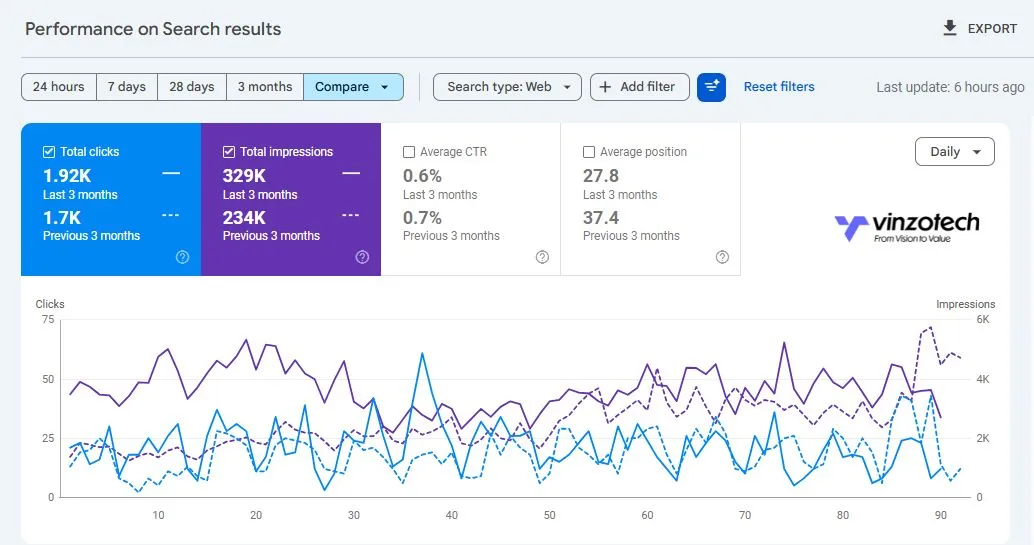
Many websites receive impressions but still fail to turn traffic into calls.
The issue is usually page usefulness, trust, or mobile experience.
Common reasons include:
- weak page depth
- repeated location content
- generic headings
- no proof of completed work
- poor mobile layout
- long forms
- slow load speed
- unclear next step
- missing testimonials
- weak internal links
A visitor with an urgent problem will leave quickly if the page feels hard to trust or hard to use.
How Long SEO Usually Takes To Improve Lead Flow
SEO compounds over time.
The timeline depends on competition, site quality, and how much useful content already exists.
First 90 days
The focus is usually on:
- technical cleanup
- page structure improvements
- keyword mapping by intent
- internal links
- mobile UX fixes
- trust section upgrades
This phase often improves impressions and visibility for long-tail searches.
3 to 6 months
This is where many businesses begin seeing stronger lead flow.
Typical improvements include:
- more calls from local searches
- better rankings for repair-specific searches
- stronger form submissions
- better click-through rates
- more visibility in nearby suburbs
6 months and beyond
This is where SEO often becomes one of the most cost-efficient lead channels.
As useful pages gain trust, the website starts producing leads from multiple problem-based searches across several locations.
That usually lowers cost per lead compared to paid channels.
SEO vs Paid Ads for Home Service Leads
Both channels can work well, but they solve different growth needs.
| Factor | SEO | Paid Ads |
| Speed | Slower start | Immediate visibility |
| Cost over time | Usually improves | Continues with every click |
| Trust | Strong organic trust | Depends on the landing page |
| Best use | Long-term lead flow | Urgent demand capture |
| Long-term value | Improves site authority | Stops when the budget stops |
For many home service businesses, the strongest results come from using ads for urgent short-term demand and SEO for long-term lead growth.
When SEO Becomes Worth The Investment
SEO is usually the right move when:
- referrals are inconsistent
- ad costs are rising
- competitors dominate local results
- nearby suburbs offer expansion opportunities
- mobile traffic is high but calls are low
- the website gets visits without enough quote requests
For businesses planning long-term growth, a broader SEO strategy often helps connect local visibility, content improvements, and better lead conversion paths.
Final Thoughts
SEO helps home service businesses generate better leads because it aligns with the exact moment a homeowner needs help.
The key is not chasing broad traffic.
It is matching real homeowner problems, local intent, trust signals, and fast mobile actions.
When the website answers urgent questions clearly and makes it easy to call, SEO can become one of the most profitable lead sources over time.
The businesses that usually win are the ones that build content around real homeowner concerns, local hiring intent, and friction-free contact paths.